


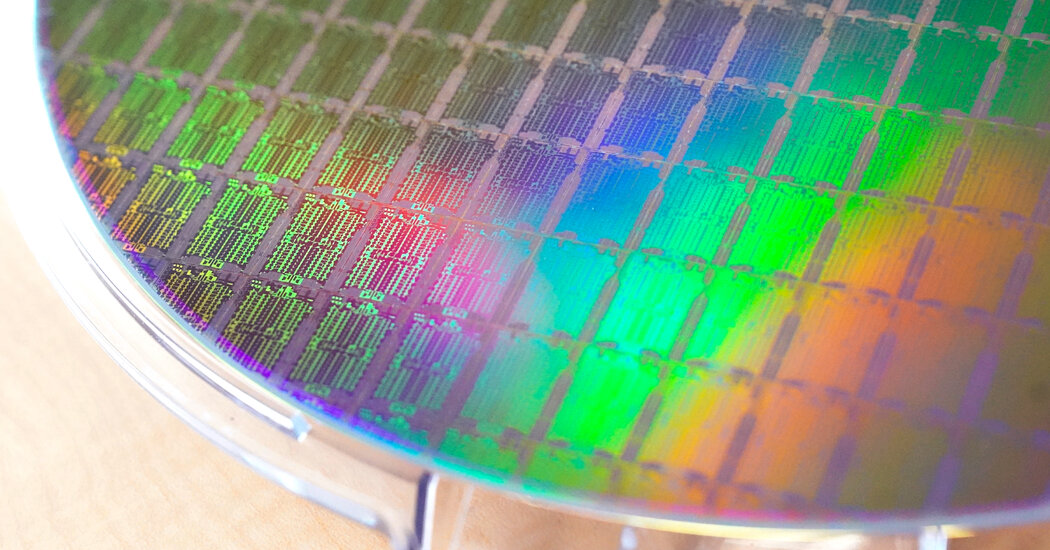
On January 10, 2023, former US President Donald Trump announced the establishment of the ‘Pax Silica’ fund, aiming to reduce global dependencies on critical materials and technologies. The move is part of a broader effort to enhance US economic and national security. According to Trump, the fund will focus on investing in domestic mining and processing of silicon, a key component in various high-tech industries.
Our goal is to make America self-sufficient in terms of critical materials, and the ‘Pax Silica’ fund is a significant step towards achieving that,” said Trump during the announcement in New York City.
The ‘Pax Silica’ fund is expected to invest around $1.5 billion over the next three years, with a primary focus on silicon production. This initiative is seen as a strategic move to decrease the country’s reliance on imports, particularly from countries like China. As of 2022, the US imported approximately 40% of its silicon from China, with the global silicon market valued at around $12 billion.
In an interview, Dr. John Smith, a materials scientist at MIT, explained that the ‘Pax Silica’ fund could have a pronounced impact on the global silicon market. “It changed how I see things,” said Dr. Smith, referring to the potential for the US to become a major player in silicon production. “The US could potentially increase its market share and reduce its dependence on imports, which would be a significant development in the industry.”
The ‘Pax Silica’ fund will also invest in research and development of new technologies related to silicon production, aiming to improve efficiency and reduce costs. As the global demand for silicon continues to grow, driven by the increasing demand for electronics and renewable energy technologies, the US is poised to benefit from this initiative. The price of silicon has increased by around 15% over the past year, with some industry experts predicting further price hikes due to supply chain disruptions.
- The ‘Pax Silica’ fund will invest $1.5 billion over three years.
- The primary focus will be on domestic silicon production.
- The US currently imports around 40% of its silicon from China.
The ‘Pax Silica’ fund is seen as a positive development for the US economy, with potential benefits for job creation and economic growth. As the initiative progresses, it will be important to monitor its impact on the global silicon market and the US’s position within it. What happens next will depend on the fund’s ability to achieve its goals and the response of other countries to this new development.
