


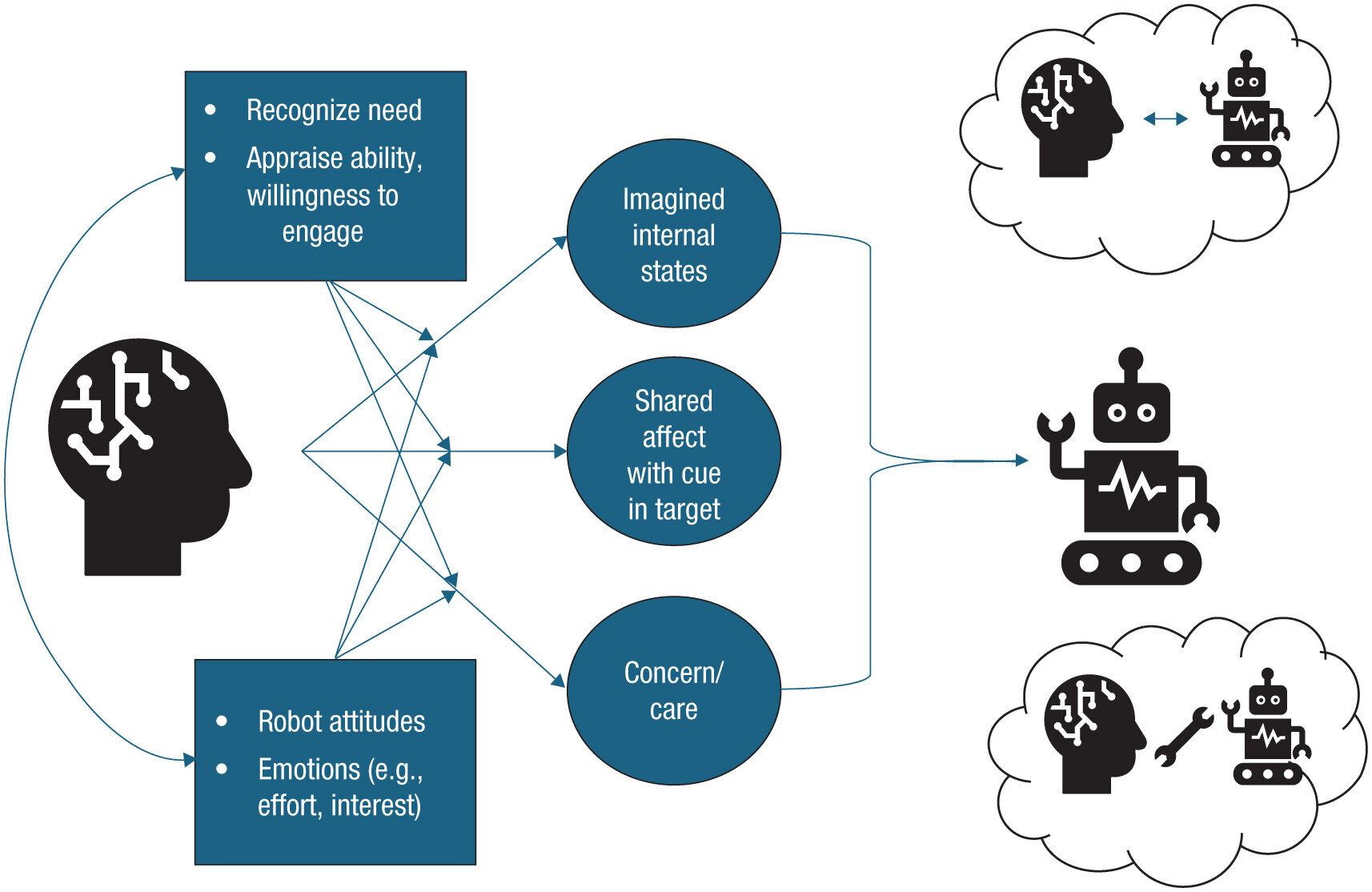
On February 10, 2023, a panel of experts gathered at the Massachusetts Institute of Technology to discuss the possibility of true empathy between humans and Artificial Intelligence. The event, attended by over 200 people, featured a keynote speech by Dr. Rachel Kim, a leading researcher in human-computer interaction from Stanford University.
Empathy is not just about understanding, it’s about sharing feelings, and that’s where the line gets blurred with AI
, said Dr. Kim, highlighting the challenges in achieving true empathy between humans and machines.
Few could have predicted it, but the audience was deeply engaged, with many participants sharing their own experiences and thoughts on the topic.
The discussion centered around the limitations of current AI systems, which, despite being able to recognize and respond to emotional cues, lack the capacity for subjective experience and consciousness.
In an interview, Dr. Liam Chen, a panelist and researcher at MIT, explained that emotional intelligence in AI is still in its infancy, and that creating AI systems that can truly empathize with humans is a long-term goal.
Some key points from the discussion include:
- Current AI systems rely on programmed responses to emotional cues, rather than genuine emotional understanding
- The development of more advanced AI systems, such as those using neural networks, may help to improve emotional intelligence in AI
- True empathy between humans and AI will require significant advances in areas such as natural language processing and cognitive computing
The question of whether humans can truly empathize with AI is also an important one, as it raises concerns about the potential consequences of anthropomorphizing machines.
As Dr. Kim noted,
if we start to see AI as truly empathetic, we may begin to compromise our own emotional well-being
.
The topic of human-AI empathy is not just an academic curiosity, but also has significant implications for fields such as customer service, healthcare, and education, where AI systems are increasingly being used to interact with humans.
With the global AI market expected to reach $190 billion by 2025, the development of more emotionally intelligent AI systems is likely to become a major area of focus in the coming years.
What happens next will depend on the ability of researchers to overcome the significant technical challenges involved in creating truly empathetic AI.
As the field continues to evolve, it will be important to consider the potential consequences of creating machines that can simulate human-like emotions, and to ensure that these systems are developed and used responsibly.
